
What Does a Wedding Videographer Actually Do? (And How It’s Different From Photography)
When couples start planning a wedding, they almost always prioritize photography first.
Videography often becomes the “maybe” vendor — not because it isn’t valuable, but because most couples don’t fully understand what a wedding videographer actually does.
Many people assume a wedding videographer simply records the ceremony and reception.
In reality, modern wedding videography is closer to filmmaking than recording.
As a North Carolina wedding videography studio at Brighter Light Media, filming weddings across Wilmington, Raleigh, Fayetteville, Greenville, and throughout the Carolinas, one of the most common questions we hear is:
“If we already have a photographer, do we really need a videographer?”
To answer that honestly, you first need to understand what videography actually captures.
The Core Difference: Moments vs Experience
Wedding photography and wedding videography are not overlapping services.
They preserve different types of memories.
Photography preserves how your wedding looked.
Videography preserves how your wedding felt.
A photograph freezes a moment in time.
A wedding film preserves:
• voices
• movement
• reactions
• atmosphere
• emotion
• interactions you never saw
Both are valuable — but they serve completely different purposes.
What a Wedding Videographer Records That Photography Cannot
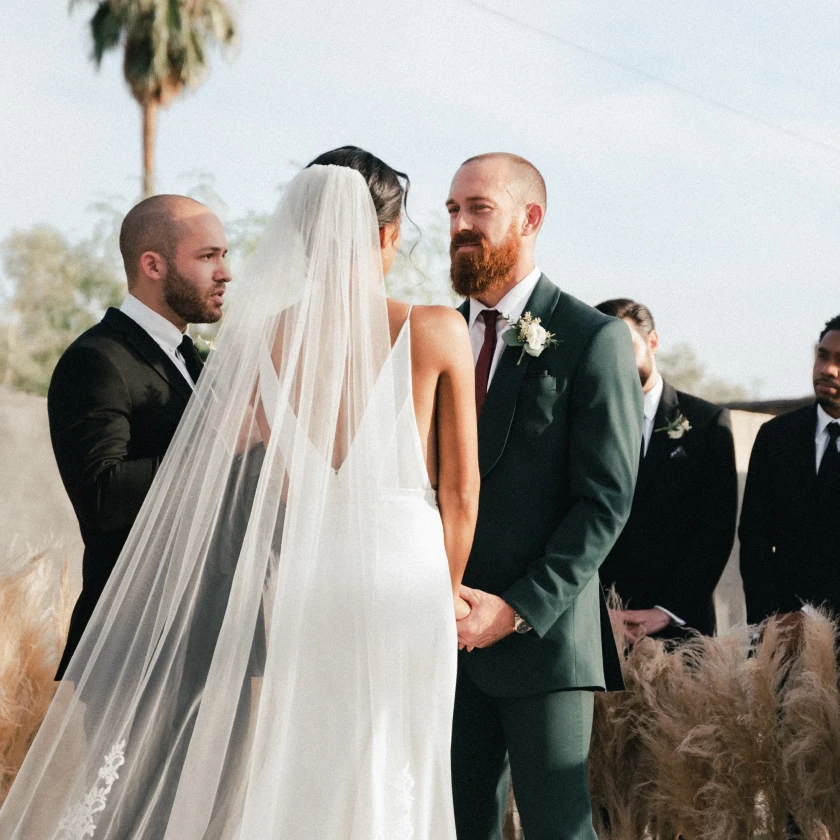
1. Your Vows
One of the biggest misconceptions is that couples will remember their vows forever.
You won’t — at least not word for word.
Your wedding day is emotional and fast-moving. Adrenaline, nerves, and excitement affect memory more than you expect.
A wedding film captures:
• tone of voice
• pauses
• laughter
• emotion in delivery
Years later, hearing vows again becomes one of the most meaningful parts of a wedding film.
2. Speeches and Toasts
Speeches are often the emotional center of a wedding.
Photography captures reactions.
Videography captures:
• stories told about you
• your parents’ voices
• your friends’ humor
• crowd laughter
These moments often become priceless as families grow older.
3. Reactions You Never Saw
On your wedding day, you are the center of attention — but that means you miss most of what happens around you.
A wedding videographer captures:
• your partner’s reaction before the ceremony
• your parents during the vows
• guests arriving
• cocktail hour interactions
• reception energy
Many couples say watching their wedding film is the first time they truly saw their wedding day.
4. Movement and Atmosphere
Your wedding is not a still event.
It includes:
• music
• dancing
• hugs
• laughter
• motion
• celebration
Video recreates atmosphere.
Photos cannot show how a room felt.
What a Wedding Videographer Does on the Wedding Day
A professional wedding videographer is not simply filming randomly.
They are actively documenting a story.
Typical coverage includes:
Morning Preparation
Getting ready moments, details, anticipation.
First Look
The private emotional reaction between partners.
Ceremony
Multiple cameras, professional audio recording, and guest reactions.
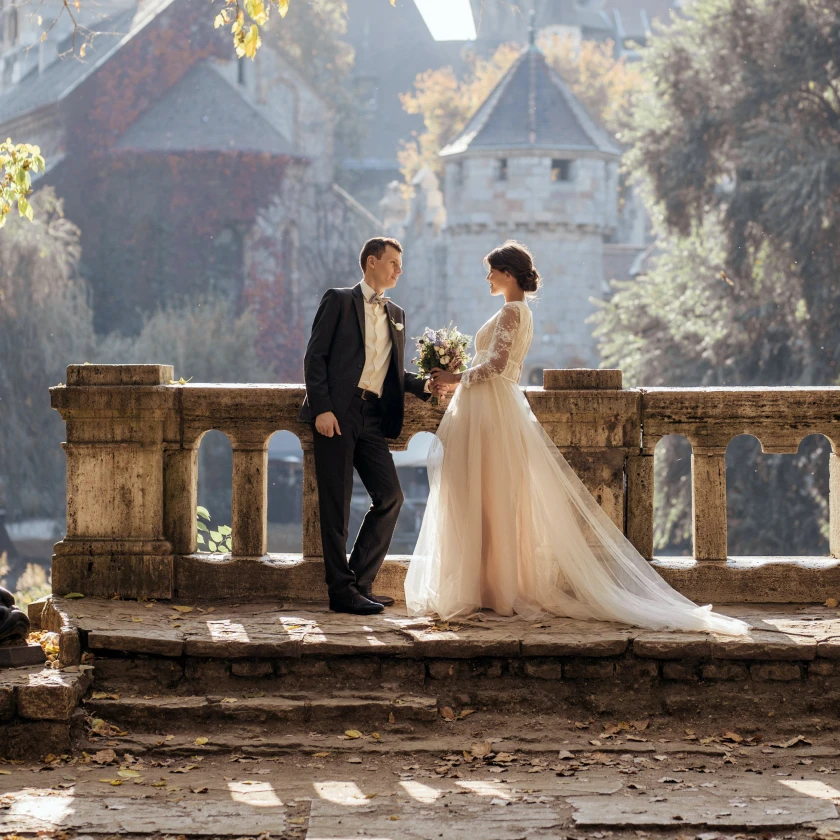
Portrait Time
Cinematic footage during golden hour lighting.
Reception
Speeches, dances, and celebration energy.
Throughout the day, videographers coordinate closely with photographers to avoid interfering while capturing different perspectives.
The Work You Don’t See: Editing
The wedding day is only a small part of videography.
After the wedding, your videographer spends 40–60 hours creating your film.
Editing includes:
• synchronizing cameras
• cleaning audio
• storytelling sequencing
• color grading
• music licensing
• cinematic pacing
Your wedding film is intentionally crafted — not automatically generated.
Why Modern Wedding Films Are Different Than Older Wedding Videos
Years ago, wedding videos were long recordings of the ceremony with minimal editing.
Modern wedding films are cinematic.
Today’s films:
• are story-driven
• include dialogue
• are musically scored
• use multiple camera angles
• are color graded
They are designed to be re-watched — not archived.
Do You Need Both a Photographer and Videographer?
Yes — because they preserve different memories.
Photography:
• albums
• wall prints
• quick visual memories
Videography:
• voices
• emotions
• personalities
• relationships
Couples rarely regret having both.
The only consistent regret heard after weddings:
not having video coverage.
Why Videography Has Become More Popular
Wedding videography demand has increased dramatically over the last decade.
Reasons:
• families living farther apart
• grandparents unable to attend
• sharing with future children
• emotional storytelling
• better technology
Today, couples view wedding films as heirlooms rather than extras.
When Should You Book a Wedding Videographer?
In North Carolina, professional wedding videographers typically book 9–14 months in advance, especially for spring and fall weddings.
Venues in Wilmington, Raleigh, and destination coastal locations often secure videographers over a year ahead.
Final Thoughts
A wedding day lasts one day.
A wedding film preserves voices, personalities, and relationships exactly as they existed at that moment in time.
Photography helps you remember.
Videography helps you relive.
Brighter Light Media
Cinematic wedding videography serving Wilmington, Raleigh, Fayetteville, Greenville, and all North Carolina wedding venues.
We help couples plan timelines, coordinate with photographers, and document weddings naturally so you can stay present while your memories are preserved.
Planning Your North Carolina Wedding?
Brighter Light Media is a North Carolina wedding videography company specializing in cinematic wedding films across Wilmington, Raleigh, Fayetteville, and surrounding areas. With experience filming weddings at venues throughout the state, we help couples not only capture their day — but plan it successfully.
If you’re currently planning your wedding and looking for guidance or a videographer familiar with North Carolina venues, you can learn more here:
Brighter Light Media Wedding Videography
https://brighterlightmedia.com
